
Aircraft Arresting Systems
Integrated infrastructure for safe aircraft recovery
Midland Airfield Systems supports the installation, modernization, control integration, and lifecycle performance of aircraft arresting systems for military and joint-use airfields.
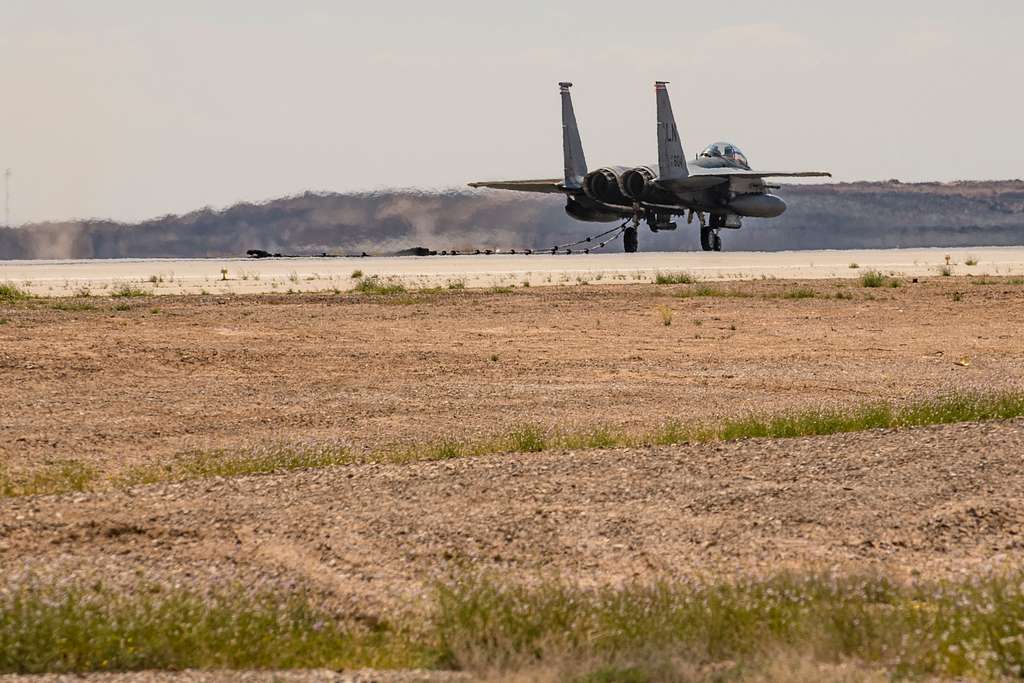
Aircraft arresting systems combine engaging devices—such as runway pendants or net barriers—with energy-absorbing equipment designed to rapidly decelerate military aircraft during emergency or operational engagements.
Our multidisciplinary approach coordinates arresting equipment with electrical power, controls, communications, foundations, drainage, runway interfaces, and supporting civil infrastructure.
Aircraft Arresting Systems
Aircraft arresting installations combine mechanical equipment, electrical power, controls, communications, and supporting civil infrastructure into a coordinated recovery system.
Midland supports infrastructure associated with:
Midland coordinates the arresting equipment with its foundations, power supplies, field controls, communications pathways, runway interfaces, and operational requirements. This integrated approach helps reduce gaps between the mechanical system, electrical installation, control architecture, and supporting civil work.
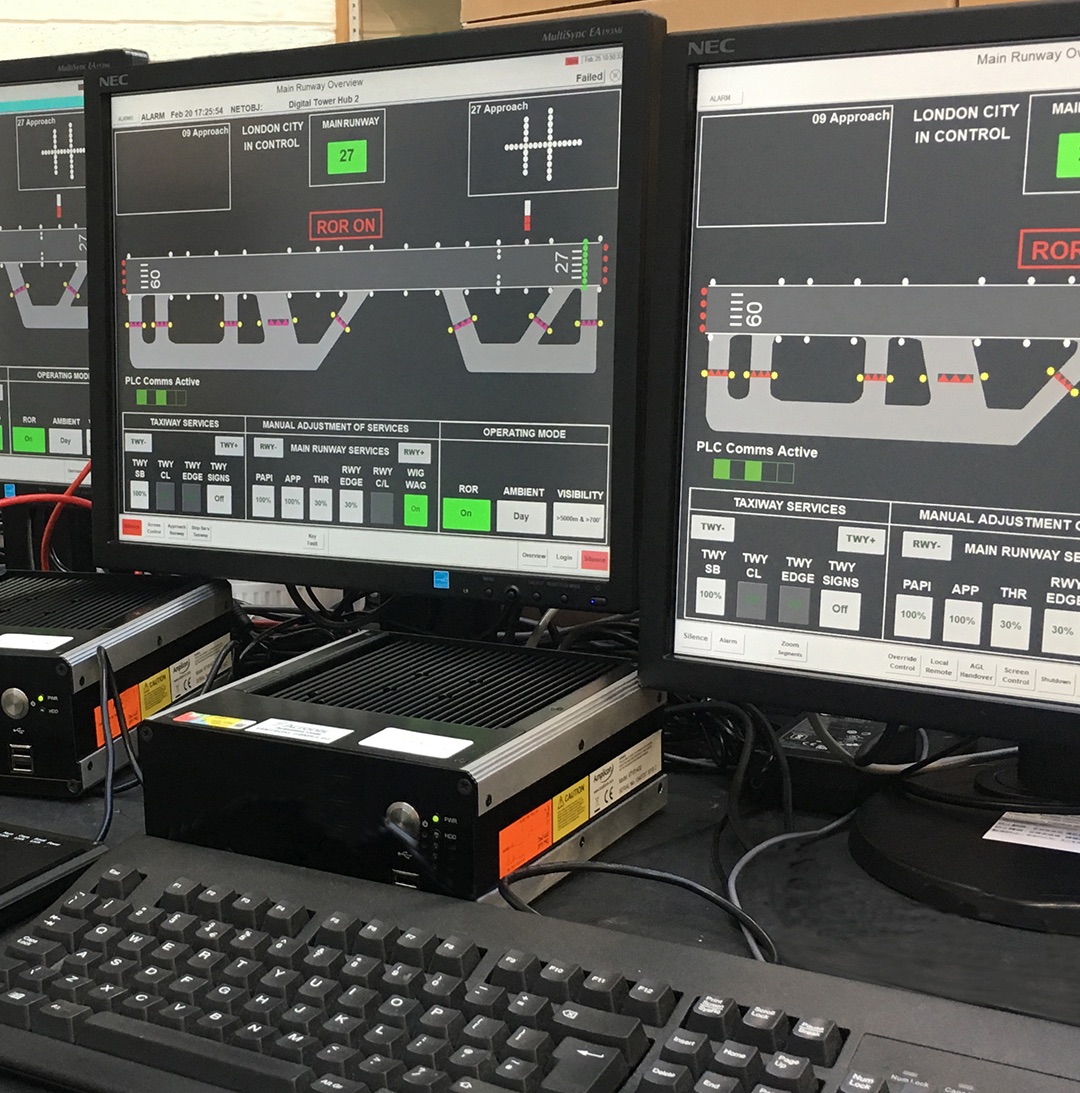
Controls, Communications, and Cyber-Resilient Modernization
Aircraft arresting systems depend on reliable communications between field equipment, local control stations, maintenance personnel, and authorized operating locations.
Many existing installations continue to rely on aging point-to-point radio equipment, proprietary communication devices, or unsupported control hardware. Midland supports the migration of these systems toward modern communications architecture using fiber-optic networks and secure cellular connectivity where operationally appropriate.
Capabilities include:
For fixed, mission-critical installations, fiber can provide a dependable primary communications backbone with reduced exposure to radio-frequency interference. Managed cellular connections may supplement that backbone for remote access, redundancy, alarm reporting, or locations where new fiber construction is impractical.
Cybersecurity improvements come from the complete architecture—not from the communication medium alone. Midland therefore coordinates the selected communication path with encryption, authentication, network segmentation, controlled access, configuration management, logging, and applicable customer cybersecurity requirements.

System Modernization
Existing arresting systems may contain serviceable mechanical equipment alongside aging controls, obsolete communications, deteriorated infrastructure, or components that are increasingly difficult to maintain.
Midland supports phased modernization through:
Modernization can preserve suitable existing equipment while improving communications reliability, system visibility, cybersecurity, maintainability, and operational support.
Discuss Your Requirements
From legacy radio links to connected, cyber-resilient infrastructure.
Midland integrates fiber, managed cellular communications, modern controls, status monitoring, and supporting electrical infrastructure to improve the reliability and maintainability of aircraft arresting systems.
