Universal Field Interface
Up to 32 monitored points, from installed airfield equipment to the facility monitoring environment, over fiber
The Universal Field Interface acquires status and analog monitoring points already available from installed airfield equipment and transports them over an electrically isolated fiber link to the facility-side monitoring environment.
Initial applications are Visual Guidance Lighting Systems, including PAPI, REIL, MALSR and ALSF-2, feeding an agency’s existing serial or network conversion equipment under the FAA Remote Monitoring and Maintenance Capability framework, JO 6000.53E.
The architecture is read-only by default and introduces no network-addressable device at the field cabinet where the application does not require one.
How It Works
Field interfaces incorporate signal conditioning, transient protection, EMI filtering and diagnostic supervision appropriate to exposed airfield installations. At the facility, the fiber link interfaces with existing serial infrastructure or upstream network-conversion equipment.
This allows legacy visual-aid equipment to be brought into modern remote-monitoring architectures without adding a network endpoint at the field cabinet. The platform provides:
Platform Configurations
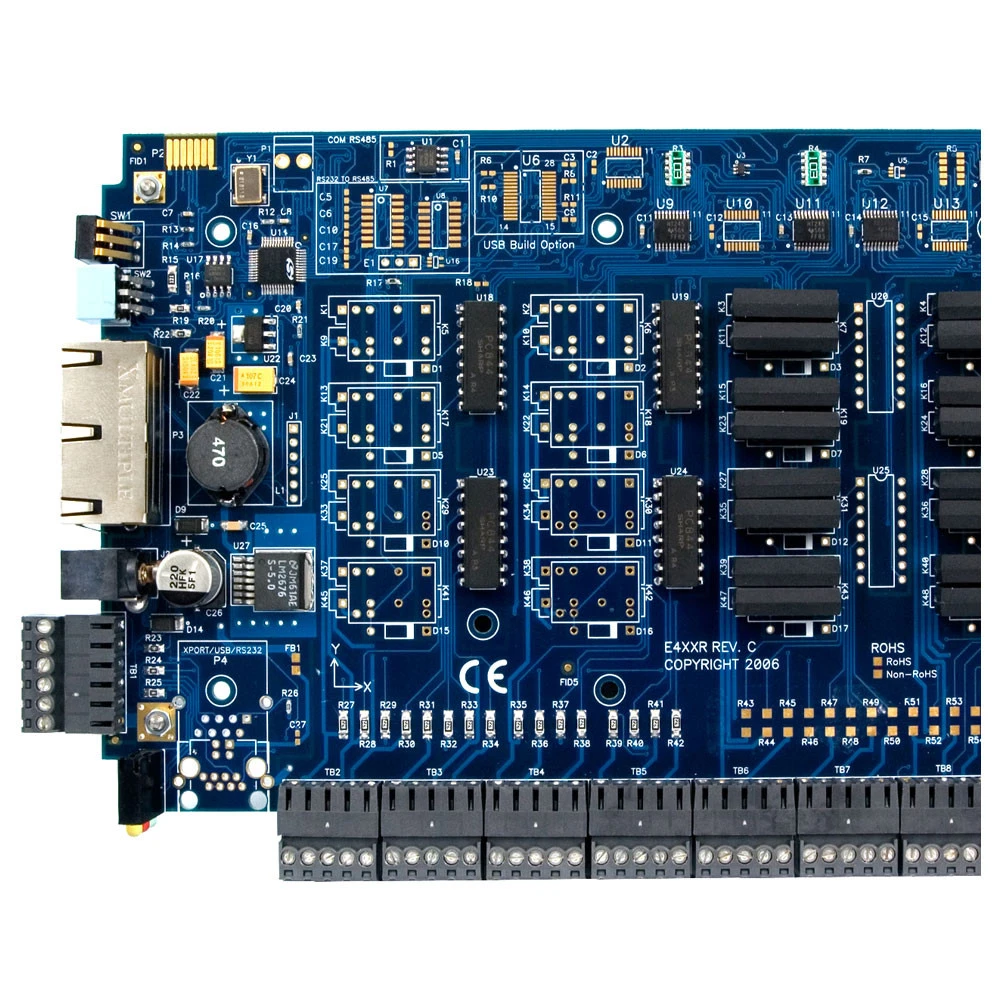
The architecture can be implemented with established industrial I/O or with purpose-designed embedded electronics, according to the environmental, lifecycle, packaging, qualification and quantity requirements of the application.
Industrial I/O configuration:
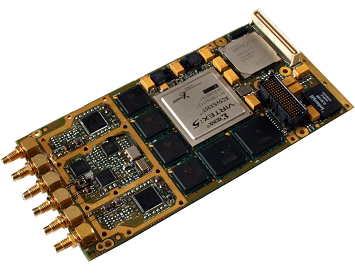
Purpose-Built Embedded Configuration
A compact embedded implementation is under development for applications requiring greater control over packaging, component lifecycle, environmental performance and configuration-specific qualification. Detailed design and qualification status is available from Engineering.
Design objectives:


Engineered Around the Applicable Requirements
The applicable requirement set is established for each delivered configuration and may include FAA, military and industry requirements for environmental performance, electromagnetic compatibility, lightning and transient protection, component derating, protective coating, reliability and maintainability.
Compliance is established through the analysis, inspection and testing required for the delivered configuration. Design intent alone is not represented as qualification. Requirement areas addressed:
Request the Platform Brief
Engineered for the requirements, verified on the delivered configuration.
The platform brief covers the point map, the interface control document outline, block diagrams and current qualification status. It is available to qualified customers from Engineering.
